GPS, Chartplotter, or MFD: What Belongs at Your Helm?
Separate the basic roles first, then choose the screen and connections that suit your boat rather than a showroom checklist.
The terms GPS, chartplotter, and multifunction display are often used together, but they describe different levels of capability. Understanding the distinction makes it easier to choose a helm layout that stays useful as the boat and your operating needs change.
Know the role of each term
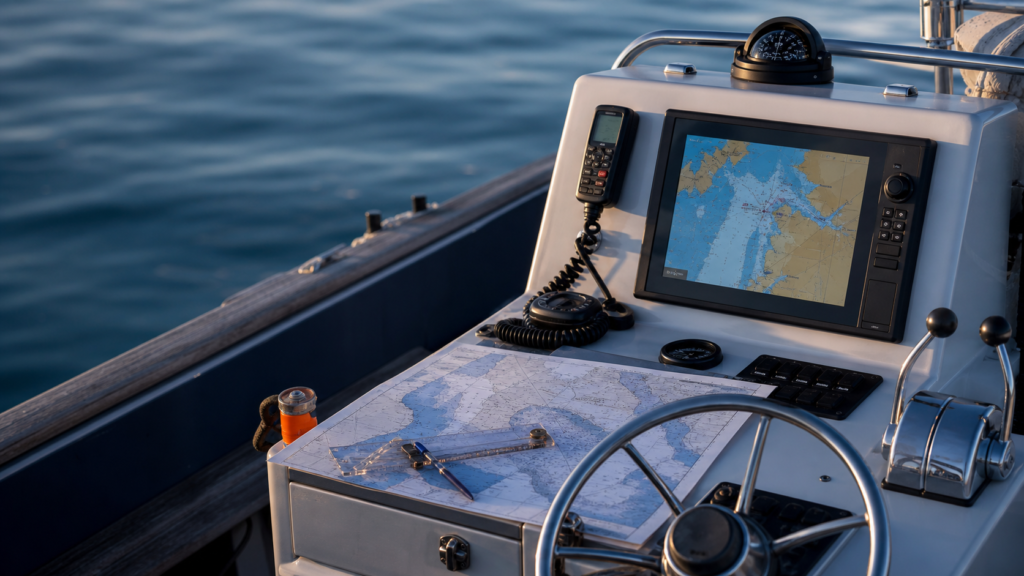
A GPS receiver determines position. A chartplotter presents position on mapping and gives you tools for routes, waypoints, and navigation. A multifunction display, often called an MFD, may combine charting with inputs such as sonar, radar, engine data, cameras, and other compatible systems.
The right answer is not automatically the largest or most connected display. A simple boat that runs local daytime routes may have different needs than a vessel that integrates radar, autopilot, sonar, and multiple stations.
Choose the view before the feature list
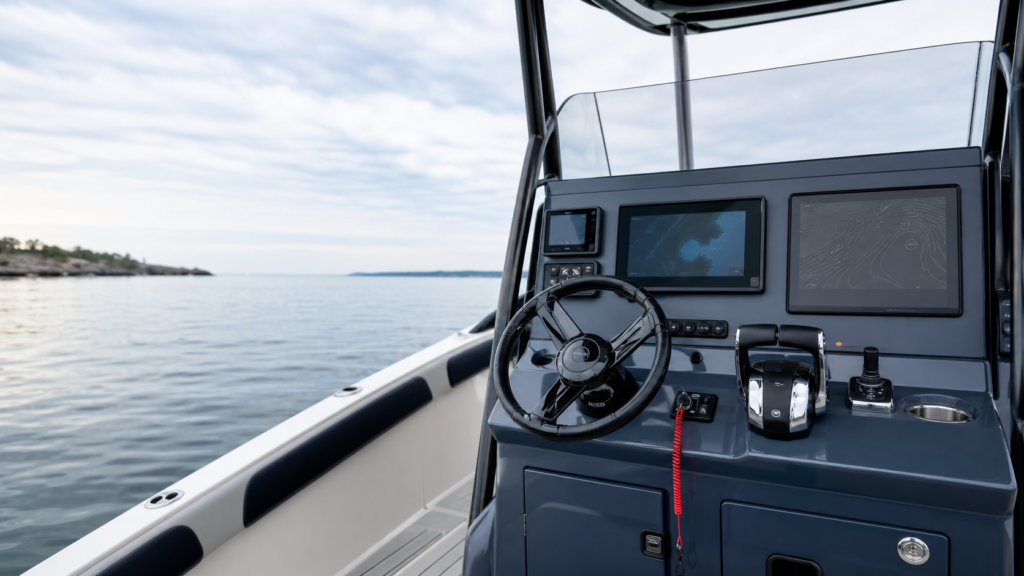
Measure the available helm area and sit in the normal operating position. Consider glare, the height of the wheel, protective covers, and whether the screen must be visible while standing. A display that is easy to read in a product comparison may not be easy to read in direct sun or rough water.
Leave enough room for a safe steering posture and for essential switches. A clean layout with one well-placed primary display is often more useful than several cramped screens competing for attention.
Plan the connections that make the display useful
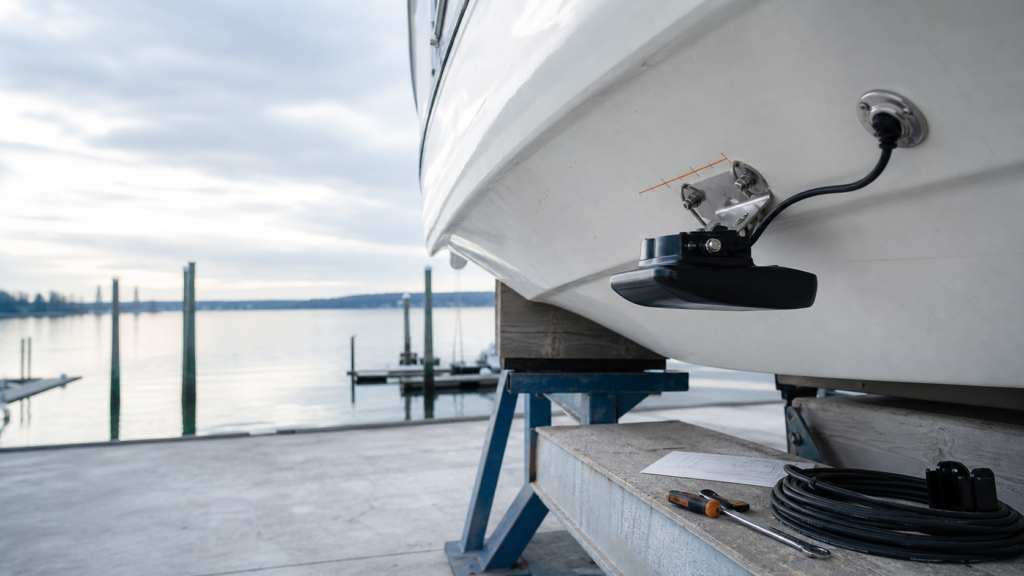
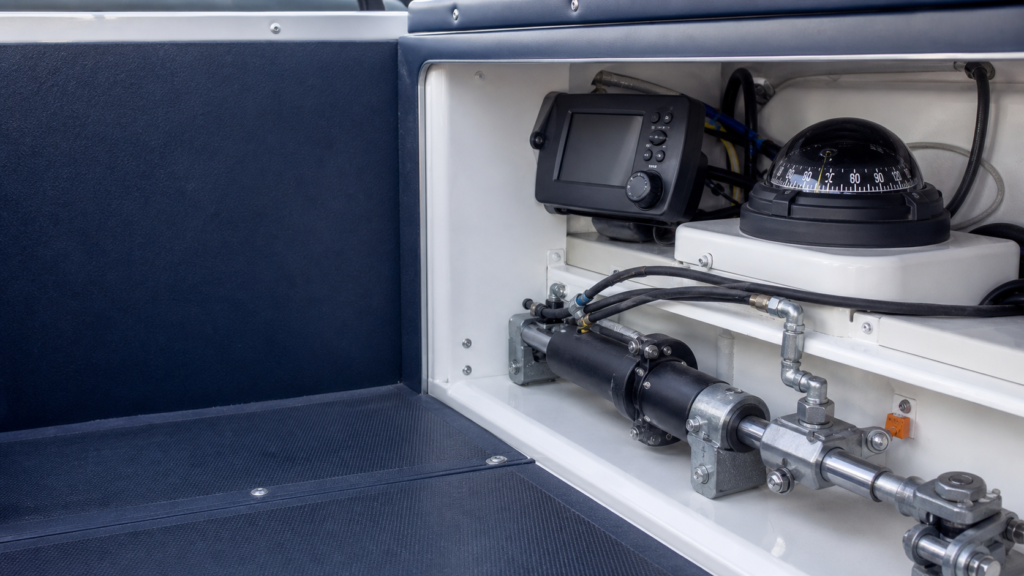
Before selecting an MFD, identify the sensors or equipment you expect to use now and later. Verify the relevant manufacturer compatibility, network type, software requirements, cable lengths, and power draw. Those details determine whether a planned system can grow without unnecessary replacement.
If you are replacing one component in an existing network, record the model numbers and connector details first. Product identifiers and clear photos help Marine Motor Supply support a catalog search, while the manufacturer documentation remains the authority for fitment and configuration.
Every boat, component revision, and installation environment is different. Confirm final compatibility, installation method, safe operation, and applicable rules with the relevant manufacturer documentation and qualified marine service when appropriate.