Marine Radar: What It Adds After Dark, in Fog, and Near Busy Water
Radar can add another view of the water around the boat, but only when the installation, display, and operator practice work together.

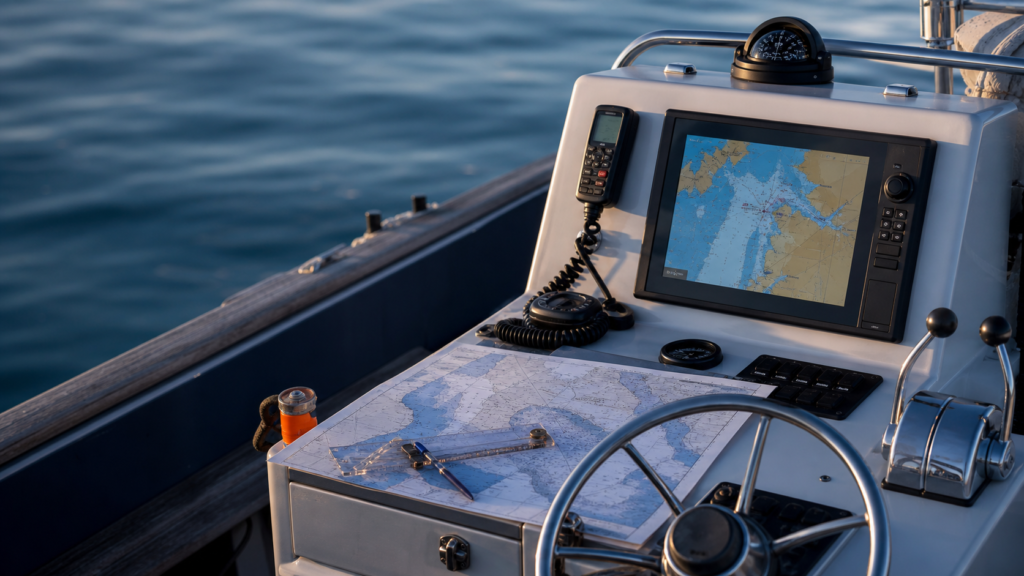
Marine radar is often considered when visibility is limited, but its usefulness starts with a realistic view of how it supports navigation. It is one input among several, not a replacement for sound judgment, lookout practices, charts, or local operating rules.
Understand the job radar can do
Radar can help build awareness of returns around the vessel, including shorelines, structures, weather patterns, and other objects that may be visible to the system. The usefulness of those returns depends on range selection, sea state, weather, equipment setup, and the operator ability to interpret what appears on screen.
For many boaters, the key question is not whether radar is a good idea in the abstract. It is whether the planned routes, hours, traffic density, and visibility risks justify adding the equipment and learning its operation well.
Plan the installation as a complete system
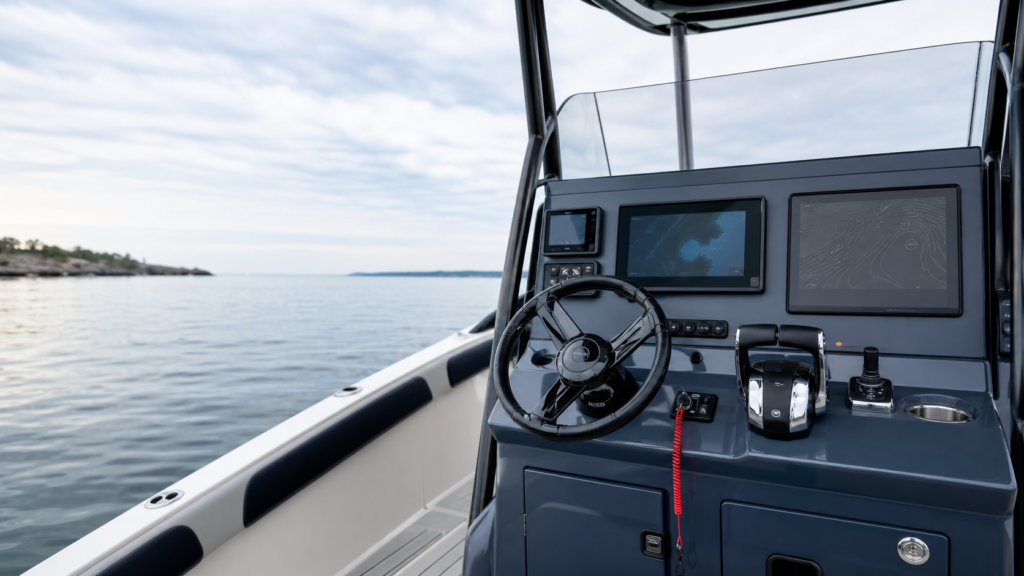
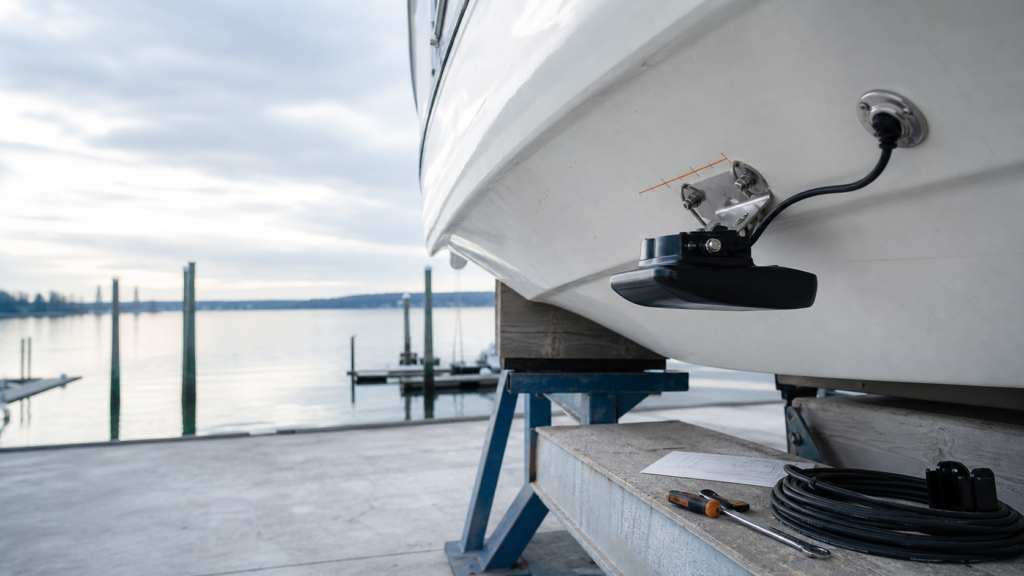
The scanner needs a mounting location with suitable clearance and a view that is not unnecessarily blocked by hardtop structures, antennas, or gear. The display must be visible to the operator, while power, network, and data cables need protected routes and realistic service access.
Review the scanner mounting guidance, safe-distance requirements, and compatible display list from the equipment manufacturer. These product-specific details are more important than visual similarity between radar models.
Use training and routine checks
Set aside time to learn the display controls in clear daytime conditions. Compare radar returns with known shoreline features and nearby vessels, then practice switching ranges and adjusting relevant settings. Familiarity reduces pressure if conditions change later.
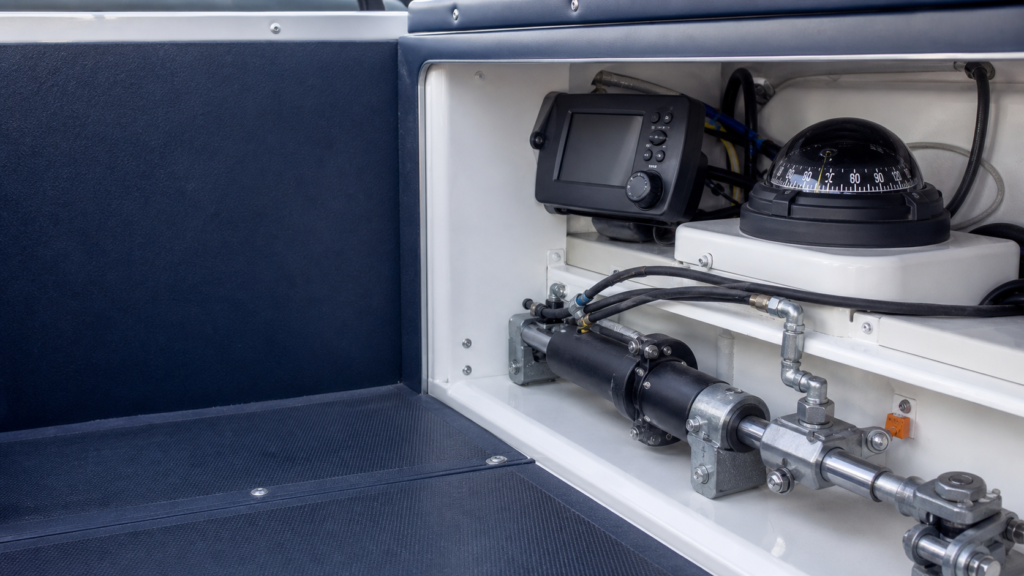
Before departure, include the radar in a simple equipment check alongside navigation displays, VHF, steering, and lights. Keep the system maintained and use it within the directions and safety guidance supplied by the manufacturer.
Every boat, component revision, and installation environment is different. Confirm final compatibility, installation method, safe operation, and applicable rules with the relevant manufacturer documentation and qualified marine service when appropriate.