Sonar and Transducer Basics: Start With the Mounting Location
The transducer is the part of the sonar system that meets the water, so boat geometry and mounting position should lead the conversation.
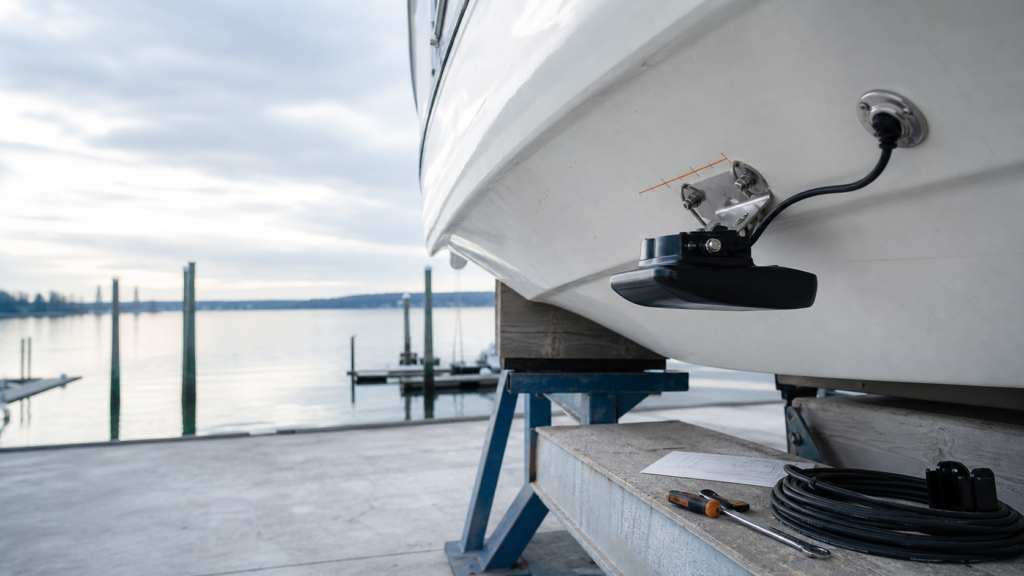
When shoppers compare sonar systems, the display often gets the attention. The transducer and its mounting environment, however, influence what the system can sense and how consistently it performs. Begin with the hull, the intended use, and the water conditions.
Read the boat before choosing the hardware
Start with the hull material, hull shape, draft, transom access, and propulsion arrangement. A mounting point exposed to turbulent water, exhaust flow, spray, or an interrupted hull surface may produce inconsistent readings, especially as speed changes.
The intended application also matters. A shallow-water fishing boat, cruising boat, trailerable center console, and sailboat may each present different practical constraints. The best mounting method is the one approved for the boat and transducer combination, not simply the one that looks easiest to install.
Match the signal to the use case
Sonar systems can use different frequencies, beam patterns, and image types. Instead of chasing specifications in isolation, decide what you are trying to see: bottom depth, fish targets, structure, a broad area, or detail beneath the boat. Then compare the compatible transducer choices recommended by the manufacturer.
Cable and connector details are part of the system. An apparently similar transducer may require a specific adapter or may not support the intended display features. Keep the product MPN and the display model number together when asking for help.
Protect the installation from the start
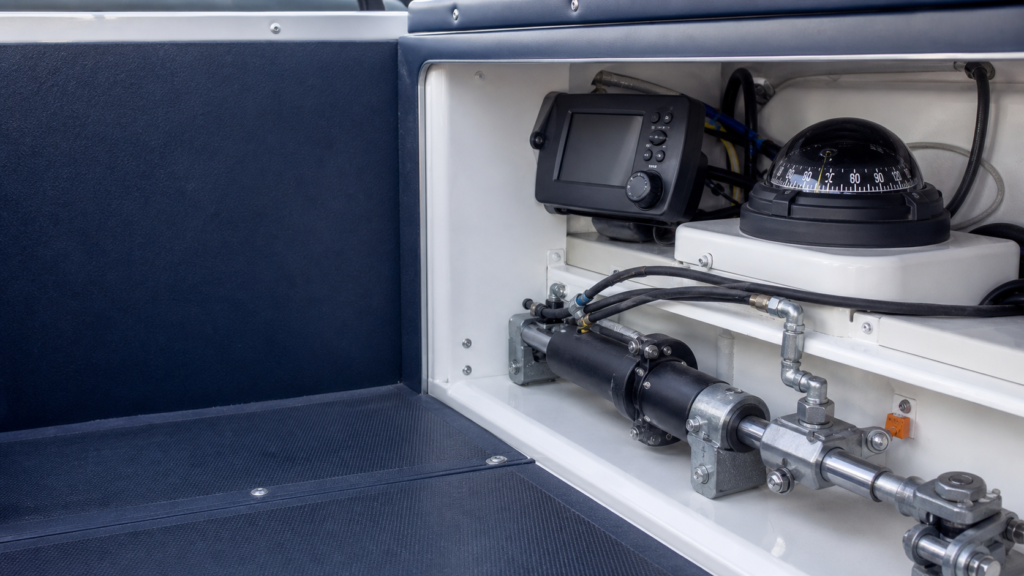
Plan cable routing away from sharp edges, heat sources, moving components, and sources of electrical interference. Leave service access where possible and use approved sealing methods for any hull penetration. A neat route makes future troubleshooting much easier.
After installation, validate readings at dockside and in familiar water across the speeds you normally use. If performance changes with speed or trim, return to the manufacturer installation guidance before making further adjustments.
Every boat, component revision, and installation environment is different. Confirm final compatibility, installation method, safe operation, and applicable rules with the relevant manufacturer documentation and qualified marine service when appropriate.