VHF, AIS, and Antennas: Build a Practical Communication Layer
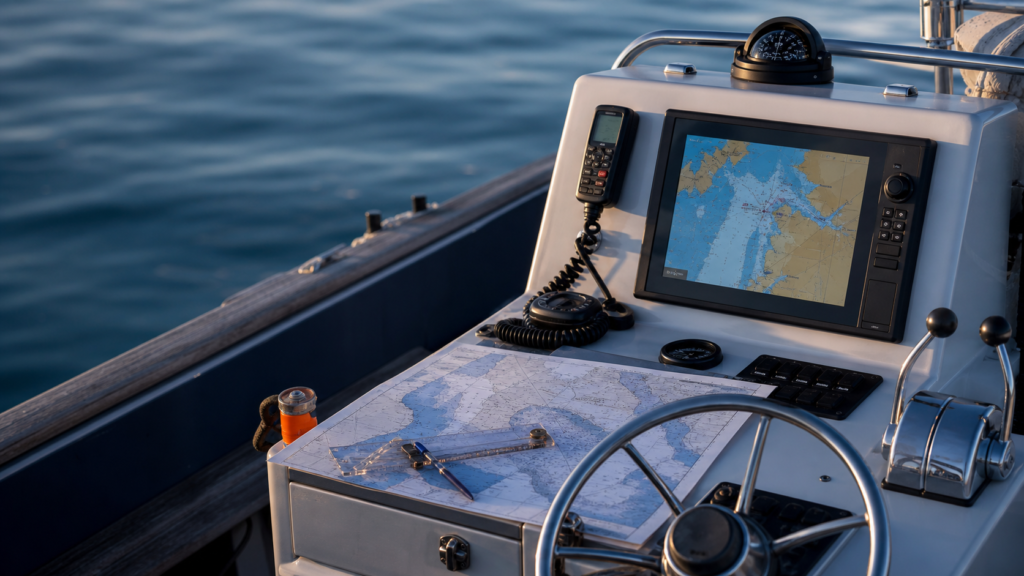
Communication equipment works best when each device has a clear purpose, a sound antenna plan, and a clean path into the rest of the onboard system.
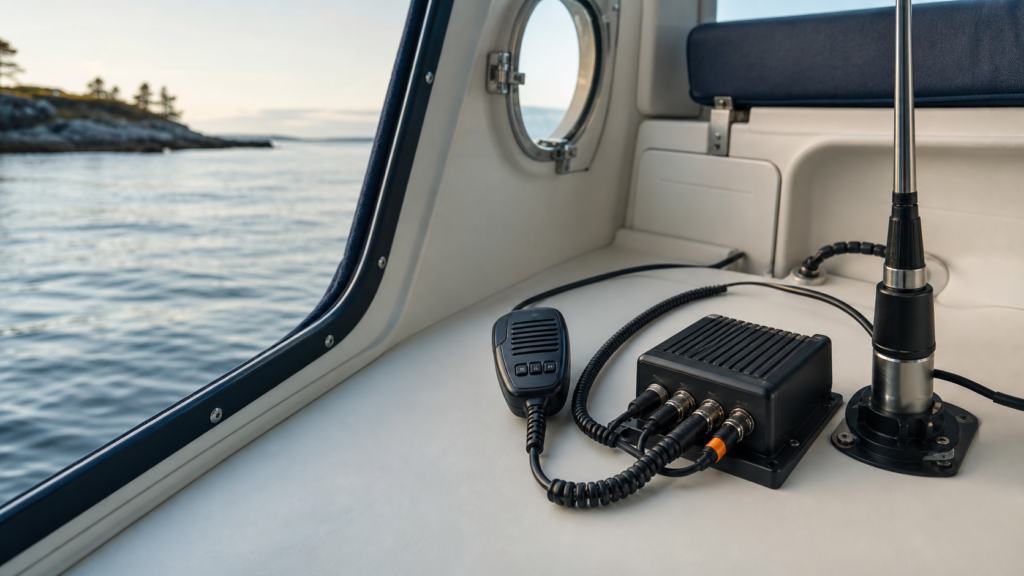
A marine VHF, AIS equipment, and antenna system can form a practical communication layer when they are chosen and installed with the boat in mind. The detail that is easiest to overlook is often the one that matters most: the antenna, the cable run, or the exact device compatibility.
Separate communication from awareness
A VHF radio is a core voice communication tool. AIS equipment can add vessel-identification and traffic-awareness data when used with compatible hardware and services. They may appear together on a helm, but they should be planned around their distinct functions rather than treated as interchangeable features.
Start by considering the waters you use, the distance from shore, the need for distress capability, and whether the display system will show communication or traffic data. Then work backward to compatible components and installation requirements.
Give the antenna plan equal attention
The antenna, mount, cable type, cable length, and connection quality belong in the same conversation as the radio. Plan a location that suits the boat and avoids unnecessary interference or obstruction, while staying within manufacturer and applicable regulatory guidance.
Inspect existing coaxial cables and connectors before assuming a new radio will solve a communication issue. A corroded, damaged, or poorly routed cable can undermine otherwise capable equipment.
Keep integration deliberate
When communication equipment shares information with a chartplotter or MFD, confirm the exact supported protocol, connector, and software requirements. Avoid guessing from similar product names or physical appearance. Model numbers and current manuals are the dependable source.
After installation, test the system according to the manufacturer instructions in appropriate conditions. Learn the emergency and routine calling procedures that apply where you operate, and keep communication equipment maintained and accessible.
Every boat, component revision, and installation environment is different. Confirm final compatibility, installation method, safe operation, and applicable rules with the relevant manufacturer documentation and qualified marine service when appropriate.