Anchoring Setup Check: Rode, Windlass, Chain, and Deck Hardware
An anchor system is a chain of components. Reviewing the whole path helps reveal mismatched hardware before you are depending on it.
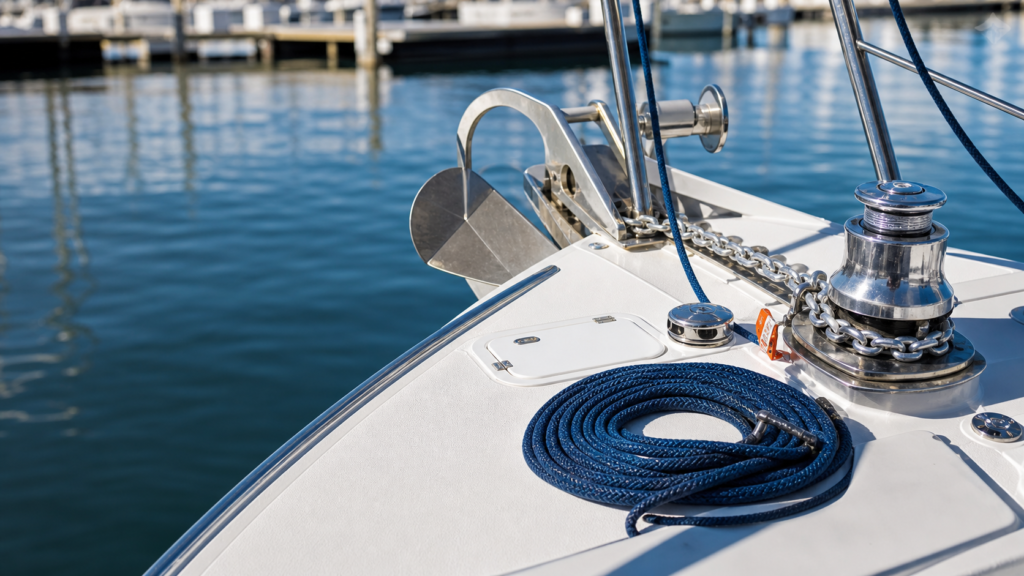
Anchoring equipment should be considered as a connected setup rather than a single purchase. Anchor, chain, rode, shackle, roller, windlass, cleats, deck reinforcement, and storage all influence how the system operates and how it should be maintained.
Follow the chain from the water to the locker
Begin at the bow and trace every component through the system. Look at the anchor interface, chain or rode, connecting hardware, roller, windlass if installed, deck fittings, and the route into the locker. Each part needs to work with the next one without sharp chafe points, binding, or poor access.
The best anchor type and rode arrangement depend on boat size, bottom conditions, cruising pattern, and the manufacturer guidance for the equipment. Treat published dimensions, working loads, and installation instructions as required references, not optional details.
Check hardware fit and deck behavior
A roller or windlass must suit the selected anchor and rode sizes. Consider how the anchor stows, how chain leads into the locker, and where water will drain. Verify that deck hardware is mounted to structure capable of taking the intended load, with appropriate backing and sealing practices.
If the boat uses a windlass, plan the electrical circuit, control location, and service access according to the windlass manufacturer instructions. A product match by appearance alone is not enough to confirm a safe or reliable setup.
Make inspection routine
Before a trip, inspect the visible rode, chain, connecting hardware, fasteners, and bow equipment for corrosion, wear, deformation, or damage. Check that moving parts operate freely and that any safety retainers or securing methods are in place for travel.
When replacing a part, record the old item identifiers and take clear photos of the connected components. Those details help distinguish a similar-looking item from the correct replacement, and they give a qualified marine professional a much better starting point when advice is needed.
Every boat, component revision, and installation environment is different. Confirm final compatibility, installation method, safe operation, and applicable rules with the relevant manufacturer documentation and qualified marine service when appropriate.